
What is Halitosis?
Halitosis, also known as bad breath, is a common problem. Many people worry about how their breath smells. Halitosis can affect anyone, but good oral hygiene can help. Often, bad breath causes embarrassment and social discomfort. However, understanding halitosis is the first step to managing it. In most cases, simple oral hygiene tips for halitosis can make a big difference. Still, sometimes, bad breath may signal a health issue. Therefore, it is important to know the signs and solutions.
Common Symptoms of Halitosis
Halitosis is easy to notice. Usually, the main symptom is an unpleasant odor from the mouth. However, other signs can also appear. For example, you might notice:
Sometimes, friends or family may mention your breath. If you notice these symptoms, it is wise to pay attention. Early action can help prevent more serious problems.
Main Causes of Halitosis
Many things can cause halitosis. Most often, poor oral hygiene is the main reason. However, other factors may also play a role. Here are some common causes:
Because many causes are linked to oral care, regular dental check-ups are important. In rare cases, halitosis may signal a more serious health problem. Therefore, do not ignore ongoing bad breath.
How is Halitosis Diagnosed?
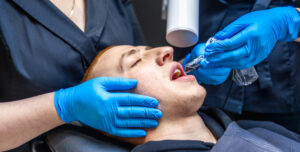
Diagnosing halitosis is simple. First, your dentist will ask about your symptoms and habits. Next, they may check your mouth, teeth, and gums. Sometimes, they use special tools to measure breath odor. In some cases, your dentist may ask about your diet or medicines. If needed, they might refer you to a doctor for further tests. This is because some medical conditions can cause bad breath. Early diagnosis helps find the right treatment quickly.
Effective Treatments for Halitosis
Treating halitosis depends on the cause. Often, better oral hygiene is the best solution. However, your dentist may suggest other steps. Here are some common treatments:
If a health problem is causing halitosis, treating that condition can help. For example, managing diabetes or sinus infections may improve your breath. Therefore, always follow your dentist’s advice.
Prevention Tips and Oral Hygiene Guidance
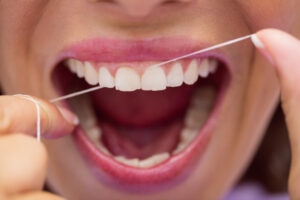
Preventing halitosis is possible with good habits. Here are some simple tips to keep your breath fresh:
In addition, eating a healthy diet can help. If you live in a city with hard water, use filtered water for rinsing. This can reduce mouth dryness. Remember, small changes can make a big difference in oral health.
If you experience persistent bad breath, consult a dental specialist for personalized advice.