Introduction
Many people do not realize the danger of missing teeth. When you lose a tooth, it can lead to more than just a gap in your smile. In fact, missing teeth can cause bone loss in your jaw. This bone loss can affect your oral health and even your overall well-being. Understanding why this happens and how to stop it is important for everyone.
What Happens When You Lose a Tooth?
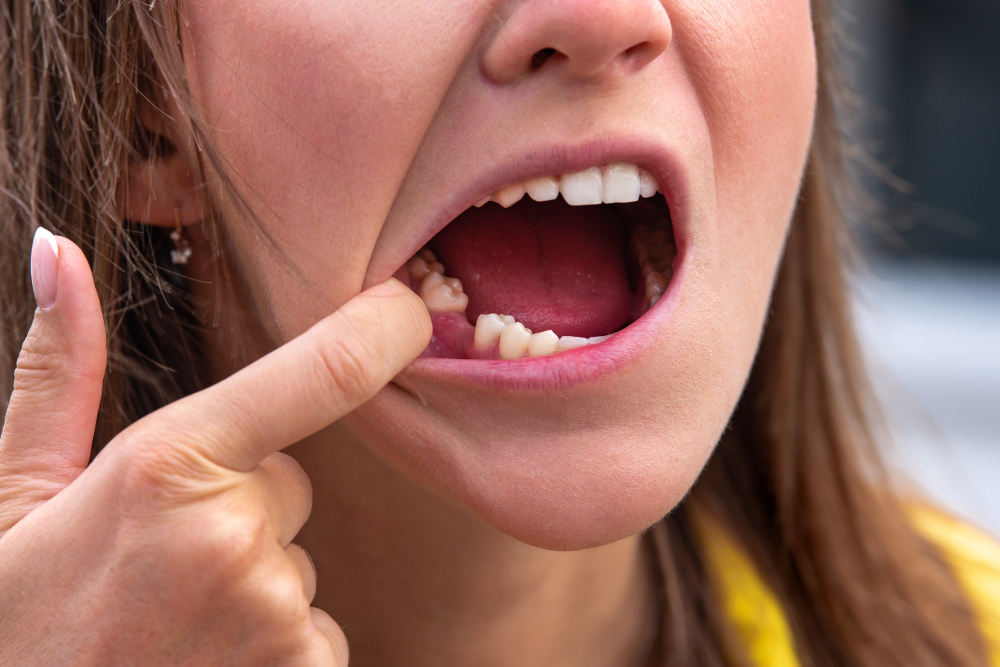
When a tooth falls out or is removed, the space it leaves behind can cause problems. First, nearby teeth may shift to fill the gap. This movement can change your bite and make chewing harder. Over time, the jawbone under the missing tooth starts to shrink. This process is called bone resorption. As a result, your face may look different, and your mouth may feel less stable.
Why Does Bone Loss Occur After Tooth Loss?
Normally, your teeth help keep your jawbone healthy. Every time you chew, your teeth press on the bone. This pressure tells the bone to stay strong. However, when a tooth is missing, the bone no longer gets this signal. Because of this, the bone begins to break down and shrink. According to the American Dental Association, up to 25% of bone can be lost in the first year after losing a tooth.
Health Risks Linked to Missing Teeth and Bone Loss
Missing teeth and bone loss can lead to several health issues. For example, you may have trouble eating certain foods. This can make it hard to get the nutrients your body needs. In addition, bone loss can change the shape of your face, making you look older. Some people may also feel less confident about their smile. Furthermore, bone loss can make it harder to get dental implants in the future.
How to Prevent Bone Loss After Losing Teeth
Thankfully, there are ways to prevent bone loss after tooth loss. First, replacing missing teeth quickly is key. Dental implants are one of the best options. They act like natural tooth roots and help keep the jawbone strong. In some cases, bone grafts may be used to build up the bone before placing an implant. Regular dental check-ups also help catch problems early. Moreover, keeping your mouth clean can prevent further tooth loss.
Treatment Options to Stop or Reverse Bone Loss
There are several treatments to stop or even reverse bone loss. Dental implants are a popular choice. They fuse with the jawbone and provide support for new teeth. Bone grafting is another option. It adds new bone to areas where bone has been lost. Sometimes, dentists use special materials to help the bone grow back. Dentures and bridges can also fill gaps, but they do not prevent bone loss as well as implants.
Tips for Maintaining Oral Health After Tooth Loss
After losing a tooth, taking care of your mouth is very important. Here are some tips to help you:
By following these steps, you can protect your oral health and reduce the risk of further bone loss.
Conclusion
Missing teeth can lead to bone loss and other health problems. However, you can take steps to prevent or treat these issues. If you have lost a tooth, do not wait. Consult a dental specialist to discuss your options and get personalized advice for your oral health.