What Is Root Canal Treatment Using Laser?
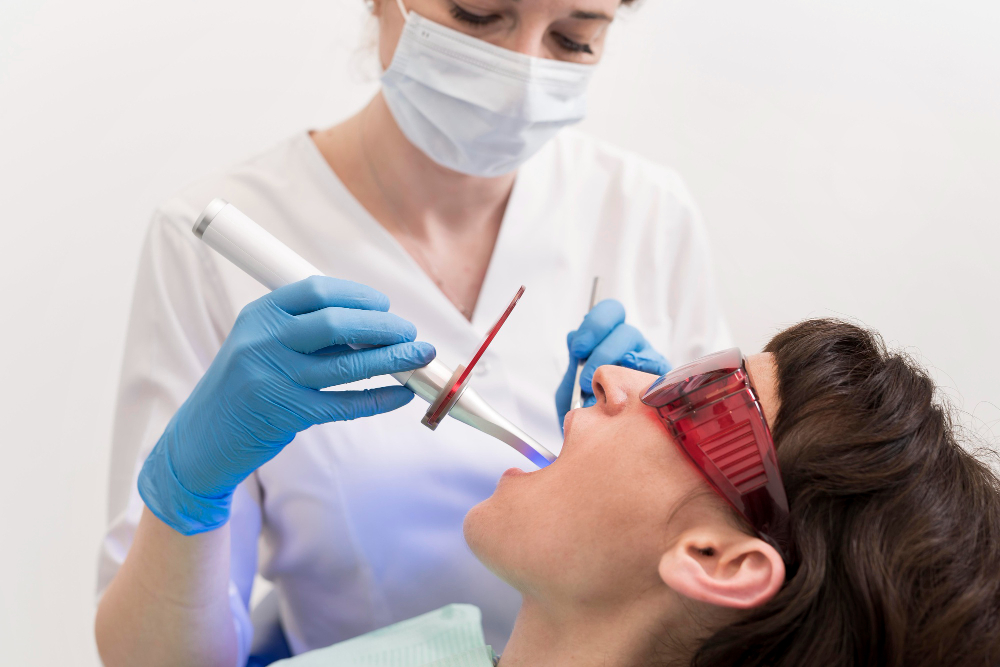
Laser root canal treatment is a modern dental procedure that uses focused light energy to clean and treat infected tooth roots. In the past, dentists used only small files and chemicals. Now, lasers help make the process faster and more comfortable. Many people choose laser root canal treatment because it can reduce pain and speed up healing. According to the American Dental Association, lasers are safe and effective when used by trained professionals.
How Does Laser-Assisted Root Canal Differ from Traditional Methods?
Laser-assisted root canal treatment is different from traditional methods in several ways. First, lasers can clean the inside of the tooth more thoroughly. In addition, lasers can remove bacteria and infected tissue with less damage to healthy parts. Traditional root canals use metal files and chemical solutions, which may take longer. However, with lasers, the process is often quicker and may cause less discomfort. Also, laser dentistry benefits include less bleeding and swelling during the procedure.
Symptoms and Dental Issues That May Require Root Canal Treatment
Sometimes, tooth pain or sensitivity signals a deeper problem. You may need a root canal if you notice:
Often, these symptoms mean the inside of your tooth is infected. If left untreated, the infection can spread and cause more pain. Therefore, it is important to see a dentist if you have these signs.
Step-by-Step Overview of the Laser Root Canal Procedure
Laser root canal treatment follows a few simple steps. Here is what you can expect:
Because lasers are precise, the process is often faster and less painful than traditional methods. Some patients even report less swelling after the procedure.
Benefits and Potential Risks of Laser Root Canal Treatment
Laser root canal treatment offers many benefits. For example, it can:
However, there are some risks to consider. Sometimes, lasers may not be suitable for all teeth or all patients. In rare cases, the laser could cause minor burns or damage if not used correctly. Therefore, it is important to choose a dentist trained in laser dentistry. The American Dental Association recommends discussing all options with your dentist before treatment.
Recovery Tips and Aftercare Guidance
After laser root canal treatment, most people recover quickly. Still, you should follow these recovery tips:
If you notice severe pain, swelling, or fever, contact your dentist right away. Early care can prevent problems and help you heal faster. For more root canal recovery tips, ask your dental team for advice.
Prevention and Oral Hygiene Tips to Avoid Root Canal Needs
Good oral hygiene can help you avoid the need for root canal treatment. Try these simple steps:
By following these tips, you can keep your teeth healthy and lower your risk of infection. Prevention is always better than treatment.
Conclusion: Is Laser Root Canal Treatment Right for You?
Laser root canal treatment is a safe and modern dental procedure. It offers many benefits, such as less pain and faster healing. However, it may not be right for everyone. Therefore, consult a qualified dentist to learn if laser root canal treatment is right for you.