What Is a Space Maintainer?
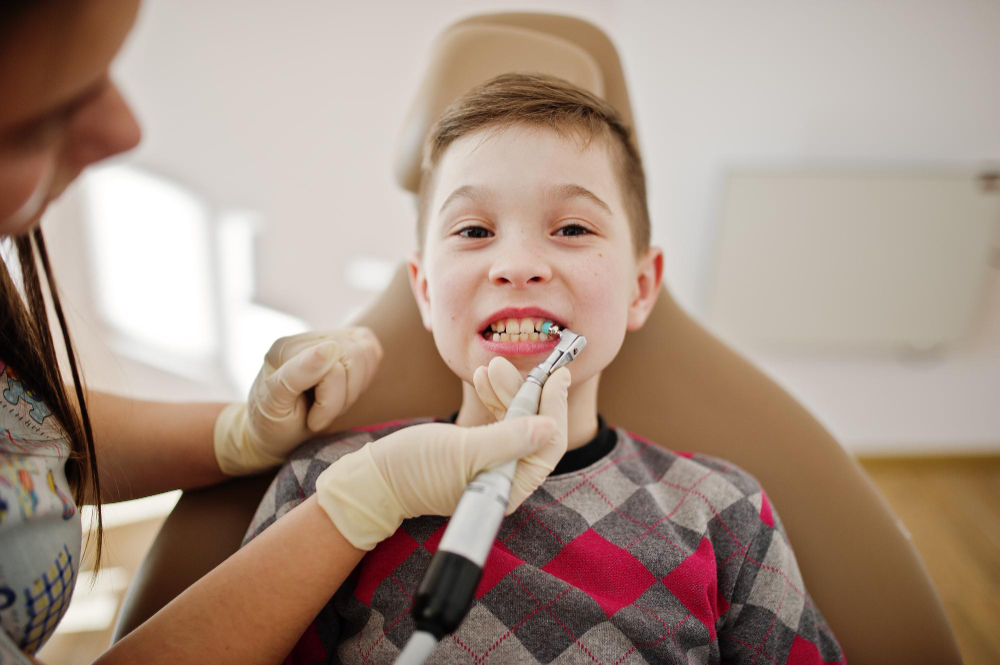
Many parents may wonder what a space maintainer is. A space maintainer is a small dental device that helps keep the space open when a child loses a baby tooth too early. Dentists use space maintainers to make sure there is enough room for the adult tooth to grow in the right place. Because early tooth loss is common in children, space maintainers play a key role in dental care. According to the American Dental Association (ADA), these devices help guide teeth as children grow.
Why Are Space Maintainers Important?
When a child loses a baby tooth before the adult tooth is ready to come in, nearby teeth may shift into the empty space. As a result, this can cause problems like crowding or crooked teeth. However, space maintainers help prevent these issues. They keep the gap open until the adult tooth is ready to appear. This step is important for children’s dental health and helps avoid bigger problems later.
Benefits of Space Maintainers
Space maintainers offer many advantages for children. Here are some key benefits:
Because of these dental space maintainer advantages, many dentists recommend them when a child loses a tooth too soon.
How Do Space Maintainers Work?
Space maintainers are custom-made for each child. Dentists use different types based on the child’s needs. The two main types are:
First, the dentist checks the child’s mouth and takes a mold if needed. Then, the space maintainer is made to fit comfortably. Once it is ready, the dentist places it in the child’s mouth and checks that it fits well. Regular check-ups help make sure it stays in place and works as it should.
Care and Maintenance Tips
Proper care is important for space maintainers. Here are some tips for families:
With good care, a space maintainer can last until the adult tooth is ready to come in.
When Should You Consult a Dentist?
It is important to know when your child might need a space maintainer. Watch for these signs:
If you notice any of these signs, schedule a dental visit. Early action can help prevent future dental problems.
Conclusion
In summary, space maintainers are simple devices with big benefits for children’s dental health. They help prevent crooked teeth, support proper tooth growth, and reduce the need for future dental treatments. Because every child is different, it is best to talk to a dentist about the right options. Consult a dentist for personalized advice about space maintainers for your child.