What Is Bad Breath (Halitosis)?
Bad breath, also called halitosis, is a common problem. It means your mouth smells unpleasant. Many people feel embarrassed by it. However, you are not alone. Bad breath can affect anyone. It can lower your confidence and make social situations hard. Often, it is linked to poor oral health. But sometimes, it signals other health issues. Knowing how to prevent bad breath is important for everyone. Simple oral hygiene tips for halitosis can help you keep your breath fresh every day.
Common Causes of Bad Breath
Many things can cause bad breath. Understanding these causes helps you avoid them. Some common reasons include:
Because many factors play a role, it is important to find the main cause of your bad breath.
Symptoms and When to Seek Help
Usually, bad breath is easy to notice. But sometimes, you may not realize you have it. Friends or family might mention it first. Key symptoms include:
If your bad breath lasts more than a few days, you should see a dentist. Sometimes, it can signal a deeper health problem. Early help can prevent bigger issues.
Effective Tips to Prevent Bad Breath
Daily Oral Hygiene Habits
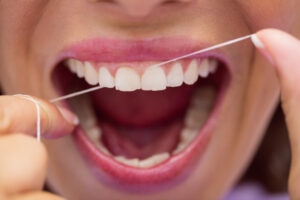
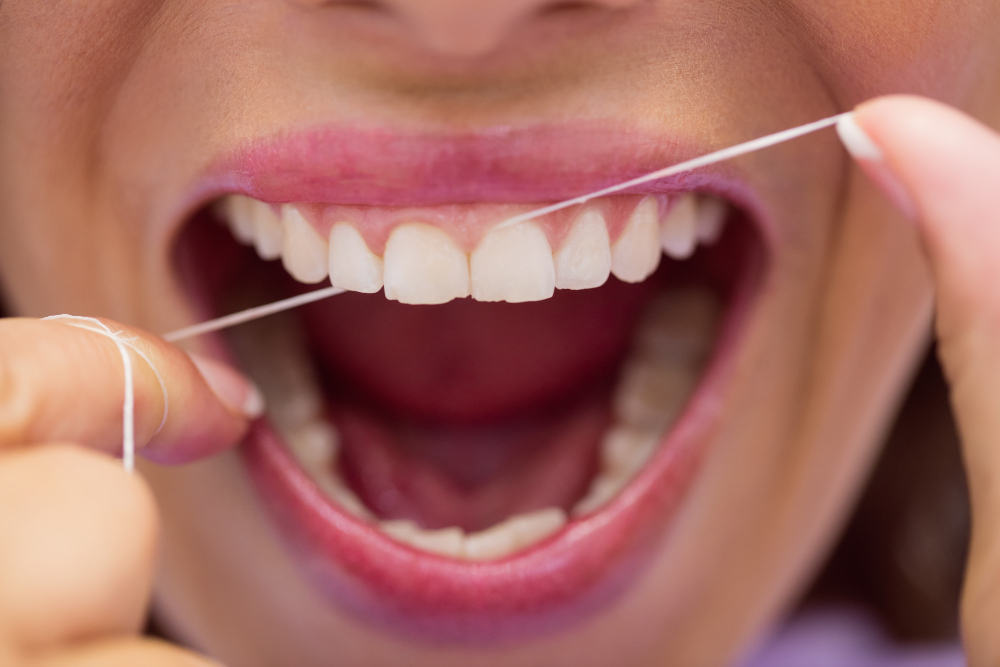
Good oral hygiene is the best way to prevent bad breath. Try these daily habits:
Because these steps remove bacteria, they help keep your breath fresh.
Dietary Recommendations
What you eat affects your breath. For fresher breath, consider these tips:
Additionally, a balanced diet supports your overall oral health.
Hydration and Lifestyle Changes
Staying hydrated is key. Saliva helps wash away food and bacteria. Try to:
Because these changes support a healthy mouth, they also help prevent bad breath.
Regular Dental Check-Ups
Seeing your dentist regularly is important. During check-ups, your dentist can:
For example, if you live in a city, search for “bad breath treatment in [Your City]” to find a local dentist.
Myths and Facts About Bad Breath
Many myths surround bad breath. Let’s clear up some facts:
Because knowing the facts helps, you can take the right steps for oral health.
When to Consult a Dentist
If your bad breath does not improve with good oral care, see a dentist. You should also seek help if you have:
According to the CDC and dental experts, early treatment can prevent serious problems. Your dentist can check for hidden issues and offer dentist advice for bad breath.
If you struggle with persistent bad breath, consult a dentist for personalized advice.